What To Do When You Fall Off For a Few Days

Let’s be honest, everyone falls off. Not just beginners and not just people who are still learning how to build healthy habits. Everyone does, even us coaches fall off all the time. The people you think never miss a workout or never struggle with nutrition have their off days too. The real difference between those who make progress and those who stay stuck is not perfection. It is how quickly they choose to bounce back.

What actually matters is the reset. Not the panic reset or the guilt reset or the intense, I need to fix everything. What matters is the calm, grounded, intentional return to your routine. That is where momentum rebuilds and confidence grows.


Stop the Spiral

One missed workout or one day of eating off plan is not the issue. The spiral that sometimes follows is the issue. Guilt does not help you get back on track, and shame does not build strength. Acknowledge that the slip happened, remind yourself that it is part of being human, and move forward. It was a moment, not your identity. You do not need to overthink it or replay it. You simply need to step out of the spiral before it becomes a story you keep telling yourself.


Choose One Non-Negotiable Today

When you are trying to get back into rhythm, choosing too many things at once becomes overwhelming. Instead, pick one simple win for today. It can be getting your workout in, hitting your protein goal, drinking your gallon of water, taking a ten minute walk, or prepping one meal. One win is enough to rebuild momentum. Once that one thing is done, your brain shifts into progress mode, and the next choice becomes easier. This is how you climb out of the slump without having to force it.


Avoid Trying to Make Up for Anything

A lot of people try to overcorrect after slipping. They add extra workouts, cut their calories too low, do long cardio sessions, or restrict carbs. None of this actually helps. Your body does not need to make up for anything. It needs consistency. Extreme reactions do not create progress. Returning to your normal rhythm does. You are not starting over. You are simply continuing forward from where you paused.


Reflect Without Regretting

Instead of beating yourself up for slipping, look at it with curiosity. Ask yourself what led to it. Did stress hit harder than usual? Did your routine change? Did you have less sleep or less structure? Reflection gives you information. It helps you understand patterns so you can catch them earlier next time. Regret does nothing but drain your energy. Awareness allows you to adjust and grow.


Return to Your Routine As Soon As Possible

Your routine is what keeps you grounded. Getting back into it quickly matters. Step right back into your normal training schedule, your typical meals, your hydration habits, your bedtime routine, and your check-ins. You do not need a perfect Monday or a dramatic all in reset. You simply need the next right action. Routine builds stability, and stability creates results.


One Slip Does Not Define You

A few days off do not erase your progress. They do not cancel your hard work. They do not say anything negative about who you are. Your journey is shaped by your ability to return, not your ability to be perfect. Every time you choose to reset, even if it is messy or imperfect, you build a stronger identity. You show yourself that you are someone who continues. Someone who keeps going. Someone who does not quit. Falling off is part of the process. Getting back up is where the transformation happens. Every reset is proof that you are becoming someone who shows up for themselves, even on difficult days.


Written By: Jill Hannah
Any questions or comments about the blog? Reach out to Coach Jill!

The Identity Shift: Becoming the Person Who Prioritizes Their Health

One of the biggest mindset mistakes people make in fitness is believing results come from motivation or intensity. In reality (hot take here), long term success comes from identity. The people who transform their bodies and their lives do not wait to feel motivated. They decide who they are becoming and make choices from that identity. The moment you begin telling yourself I am the kind of person who shows up, everything changes. Your choices become cleaner and your habits start aligning with your goals. Instead of wondering “how do i stay motivated” the real question becomes who am I choosing to be today.


Research in behavioral psychology shows this over and over. Studies from Stanford University and the University of London have shown that when people adopt identity based habits they are significantly more consistent over long periods of time. When habits are tied to identity instead of outcomes the brain views the behavior as part of the self and it becomes far easier to maintain. Also, when we repeat these small consistent actions it strengthens neural pathways making new behavior feel automatic rather than forced.


If you see yourself as someone who prioritizes their health you naturally stop negotiating with yourself. Workouts feel less optional. Protein is not something you try to remember, it is something you do. Hydration and movement become normal parts of your day rather than tasks you have to convince yourself to complete. Identity also builds resilience. When life gets busy the identity stays solid. Maybe you cannot do your full workout but you still move because that is what this version of you does. You stay consistent without aiming for perfection and hold standards for yourself regardless of how you feel in the moment.


Everything Worth Having Takes Time

This shift does not happen all at once. It happens through small repeated wins. Every workout you complete when you don’t feel like it. Every high protein meal you choose. Every time you honor a commitment to your future self. Brick by brick you begin to trust who you are becoming.

I had a journey trying to figure this out. It took me years to get here, but once I finally decided to define myself as the person who prioritizes their health; everything changed. It became less about forcing myself to show up and more about becoming someone I was proud to be. And honestly, being the outlier in the room, the person who does take care of themselves & being the one who chooses the harder path is so worth it. When you step into that identity the peace, the confidence, and the strength that follows makes the entire journey make sense.


Key Points to Remember

  • Identity based habits last longer because your actions match who you believe you are
  • Small consistent wins are more powerful than bursts of motivation
  • Your brain forms new neural pathways through repetition making habits feel natural
  • Identity creates resilience and makes it easier to stay on track when life gets busy
  • Transformation becomes sustainable when it becomes part of who you are
    This week ask yourself a simple question: What would the strongest, most disciplined
    version of me choose today? Choose that even in the smallest way. That is where real
    change begins.

Written By: Jill Hannah
Any questions or comments about the blog? Reach out to Coach Jill!
When Life Gets Busy Use The Minimum Standard Strategy

Why Busy Weeks Matter Most

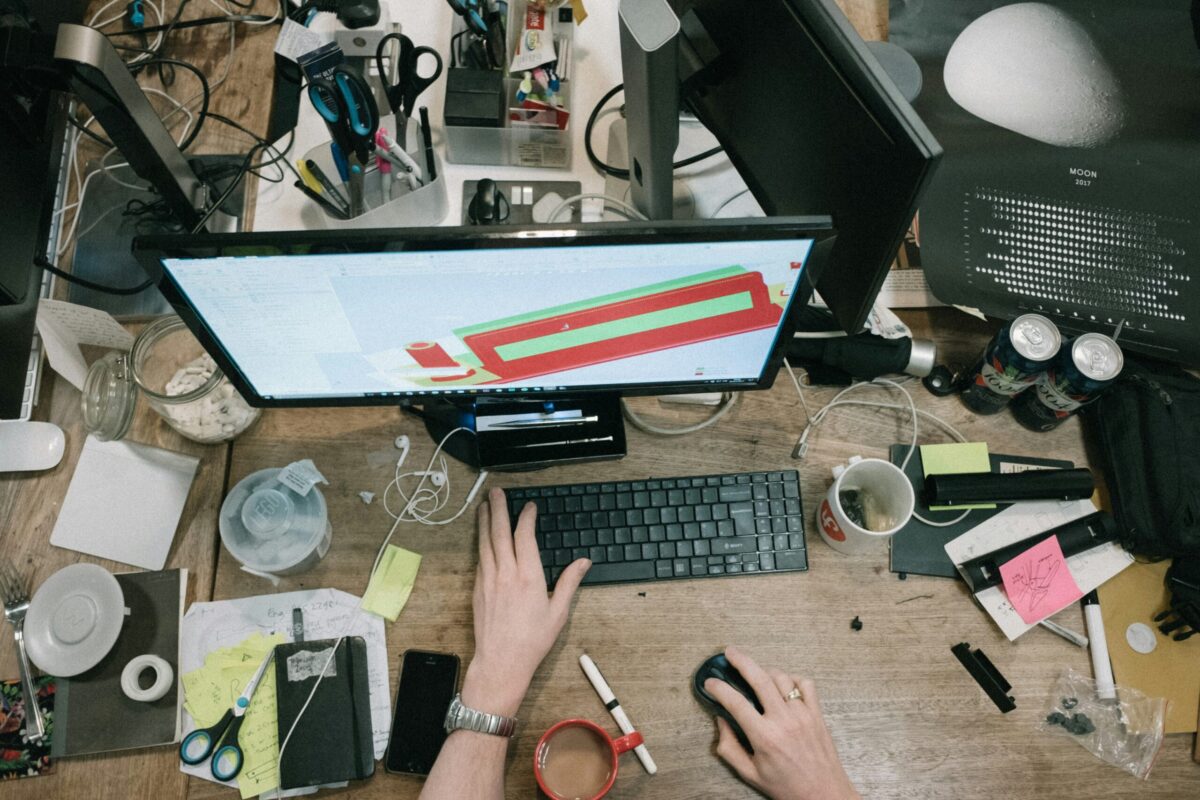
Life gets loud and busy. Work piles up, schedules shift, and suddenly you’re running on caffeine, little sleep, and chaos. When that happens, most people let their routines slip. They fall into one of two traps: telling themselves they’ll “get back on track when things slow down,” or believing that if they can’t do everything perfectly, they shouldn’t do anything at all. But progress doesn’t come from perfect weeks. It comes from the weeks where you refuse to check out.

Minimum standards are your bare-minimum habits that still keep you moving forward. They aren’t perfect meals or full workouts or highly structured routines. They’re the simple, realistic non-negotiables that help you stay in motion, because staying in motion, even slowly, always beats stopping everything. These standards will allow you to stay connected to your goals without demanding perfection during the busiest phases of your life.

Your Movement Minimums

Most people fall apart during chaotic weeks because they think success requires doing the most. High performers know better. They don’t quit when life interrupts. They adjust. They shift gears instead of shutting down. Minimum standards give you flexible structure so you can keep going even when things feel unpredictable. It’s not about crushing a perfect plan, it’s about protecting momentum.

Your movement minimum should support your body and mind without overwhelming you. This could look like 20 to 30 minutes of activity three times a week, performing one main lift per workout such as a squat, hinge, push, or pull, or taking a 10 minute walk each day. These small actions keep you grounded and maintain your rhythm, even on weeks when your schedule is tight.

Nutrition Minimums

Busy seasons aren’t the time for complicated nutrition plans. Simplicity is your strongest tool here. A nutrition minimum might be eating protein at every meal, finishing a water bottle before 10 a.m., getting in one nutrient dense meal each day, or simply refusing to skip meals when life gets hectic. These habits keep your energy up, your hunger stable, and your decisions intentional.

Mindset Minimums

Mindset minimums help you stay centered when stress is high. This could be two to three minutes of deep breathing in the morning, writing a nightly list of wins, or pausing once a day to ask yourself how you’re feeling and what you need. These tiny check-ins help you stay present and prevent the mental spiral that often comes with busy seasons.

The Power of Staying Connected

Minimum standards keep you anchored to your identity, even when your schedule is messy. Instead of restarting every Monday or losing confidence when life gets chaotic, you stay rooted in the version of yourself who shows up no matter what. That consistency, even on imperfect days, is what builds long term transformation.

Write down your movement, nutrition, and mindset minimums. Keep them simple, doable, and honest. When your next busy week hits, lean into these minimums and let them keep you grounded. You’ll be surprised at how consistent you can stay when you stop aiming for perfection and start aiming for progress.

Written By: Jill Hannah

Any questions or comments about the blog? Reach out to Coach Jill!

Fuel the Hustle: What to Eat Before andAfter Your Workouts

You’ve heard it before; you can’t out-train a poor diet. But here’s the truth; it’s not just what you eat that matters, it’s when and why. At Hustle, we focus on building stronger, more resilient bodies; and that means understanding how to fuel them for performance and recovery. Whether you’re hitting a 5 A.M. class or training after work, what you eat before and after your workout directly impacts how you feel, perform, and recover. This is something I overlooked for a long time, don’t make this same mistake!

Pre-Workout Fuel: Build Energy Before You Even Step on the Floor

Your pre-workout meal or snack is your foundation. It gives your body the energy to move well, lift strong, and stay focused from start to finish. Without enough fuel, your body works harder for less output; you’re burning energy you don’t have, not building strength from what you do. Think of it like putting gas in your tank before a drive. You wouldn’t take a road trip on empty; don’t try to train that way either.

What to Eat Before a Workout

The goal; carbs for energy + protein for muscle support.

Examples for if you have 1–2 hours before training:

● Greek yogurt with berries and granola

● Egg sandwich on an English muffin

● Oatmeal with banana and protein powder

● Chicken and rice bowl or wrap

If you have 30–45 minutes before:

● Half a banana with peanut butter

● Protein bar or small shake

● Rice cakes with almond butter

● Greek yogurt and fruit

Fuel before caffeine.

A small bite before your pre-workout coffee helps stabilize blood sugar and avoid that mid-morning crash. A few bites of protein or carbs before caffeine makes your energy more consistent and sustainable.

Carbs are your body’s preferred fuel source. When you eat them before a workout, you give your muscles the quick-access energy they need to perform. Protein helps protect and repair muscle tissue. In short; pre-fueling helps you show up ready to perform, not just get through it.

Post-Workout Fuel: Refuel, Recover, and Rebuild

What you eat after training determines how well your body bounces back. Skipping this step or waiting too long can leave you sore, tired, and plateaued over time. After your workout, your muscles have used up glycogen and need protein and nutrients to repair.

What to Eat After a Workout

The goal; protein for muscle repair + carbs for replenishment.

Within 30–90 minutes after training:

● Protein shake with fruit or oats

● Scrambled eggs with toast and avocado

● Chicken, rice, and veggies

● Turkey wrap with fruit

● Greek yogurt with honey and granola

Rehydrate with water or electrolytes, especially if you trained early or sweat heavily.

Why Post-Fueling Matters

Eating protein and carbs within about two hours of training boosts recovery, supports

strength gains, and restores energy faster. It also helps you feel better; less fatigue, fewer crashes, and better performance next time. When you consistently refuel, you’re signaling your body to grow stronger. That’s how progress happens.

Build the Habit, Not the Excuse

Fueling doesn’t have to be perfect; it just has to be intentional. If mornings are busy, prep something simple the night before. If you train after work, keep a snack at your desk and plan dinner ahead. The athletes and members who see the best results aren’t just training hard; they’re recovering smart. So the next time you grab your keys for Hustle, ask yourself; have I fueled myself to perform, or am I running on empty? Your body deserves the same effort outside the gym that you give it inside. When you fuel like an athlete, you recover like one too.

Written By: Jill Hannah

Any questions or comments about the blog? Reach out to Coach Jill!
Be Thankful for the Grind


Gratitude Meets Grit

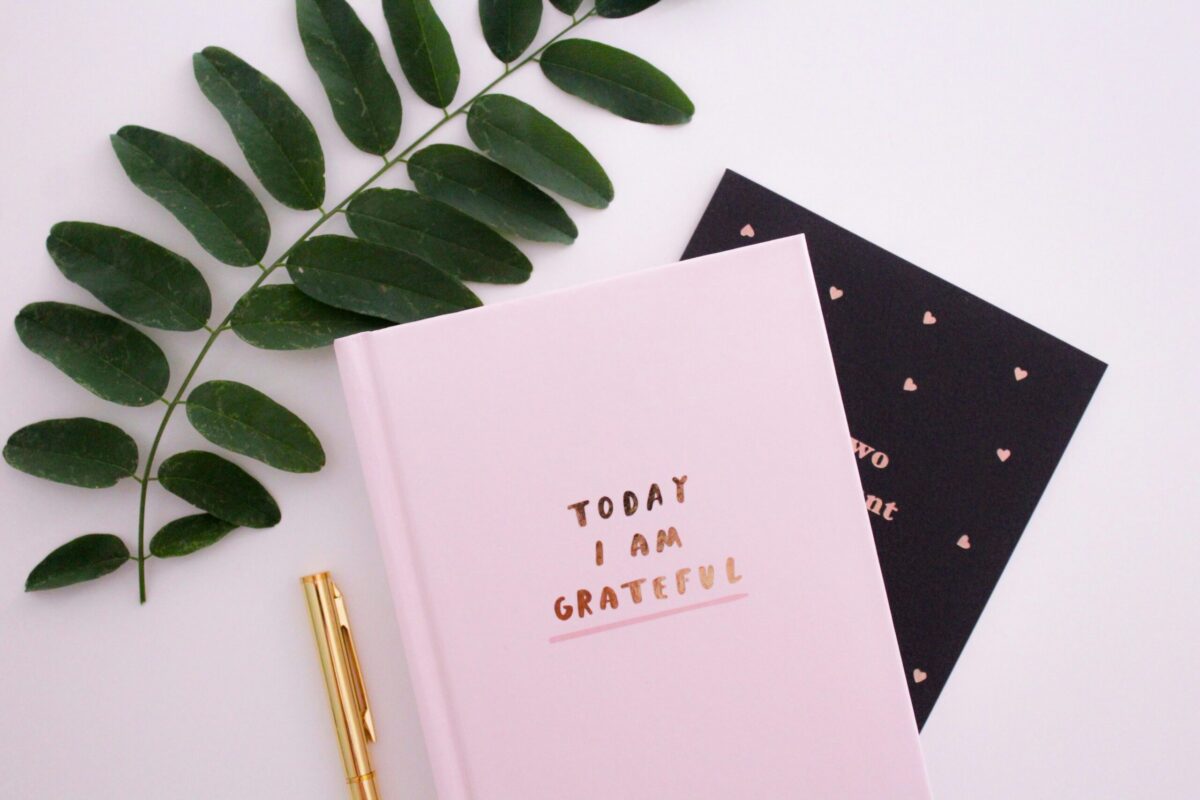
Gratitude isn’t just for the good moments. It’s for the early alarms, the sore muscles, and the grind that tests your limits and builds strength from the inside out. The truth is, the grind itself is something to be thankful for because it’s where growth, confidence, and resilience are built. Every tough session, every challenging week, and every time you show up when you don’t feel like it, you’re shaping a stronger version of yourself. Research backs this up over and over again. A study from the Journal of Applied Sport Psychology found that those who practiced gratitude developed greater mental resilience and higher satisfaction with their performance. Similarly, Stanford University research on what’s known as the “effort effect” shows that when people view effort as something to be proud of rather than a burden, their motivation and long-term success increase significantly. Psychologists also refer to a concept called “benefit finding,” which means recognizing the value in challenges and setbacks. When you can see purpose in the grind, you’re more likely to stay committed and come out stronger on the other side.

Reframing the Grind

Instead of saying “I have to,” try saying “I get to.” You get to train. You are in a healthy body that gets to wake up everyday and go to the gym. You get to chase goals. You get to push your limits in a space that supports your growth. That small mindset shift from obligation to opportunity changes everything. Gratitude will fuel your grit. It reminds you that even when it’s uncomfortable, every rep, every choice, and every effort is leading you toward
progress. You don’t have to love every challenge, but you can love who you are becoming because of them.

Challenge Yourself

This week, I want to challenge you to find three moments to be thankful for the grind. Be thankful when you show up even when it’s hard. Be thankful when you push for one more rep or one more round. Be thankful when you realize that the person you’re becoming isn’t afraid of work, but inspired by it. The grind isn’t punishment. I cannot preach this enough; it is a privilege.

Final Thought

Every ounce of effort you pour into training, nutrition, and showing up for yourself adds up. Be thankful for the process, for the people beside you, and for the strength that’s being built day by day. The grind is what makes you stronger, more confident, and more capable in every part of your life. Be thankful, use gratitude, and watch the grind change your life.

Written By: Jill Hannah

Any questions or comments about the blog? Reach out to Coach Jill!
Nutrition Myths to Break Up With

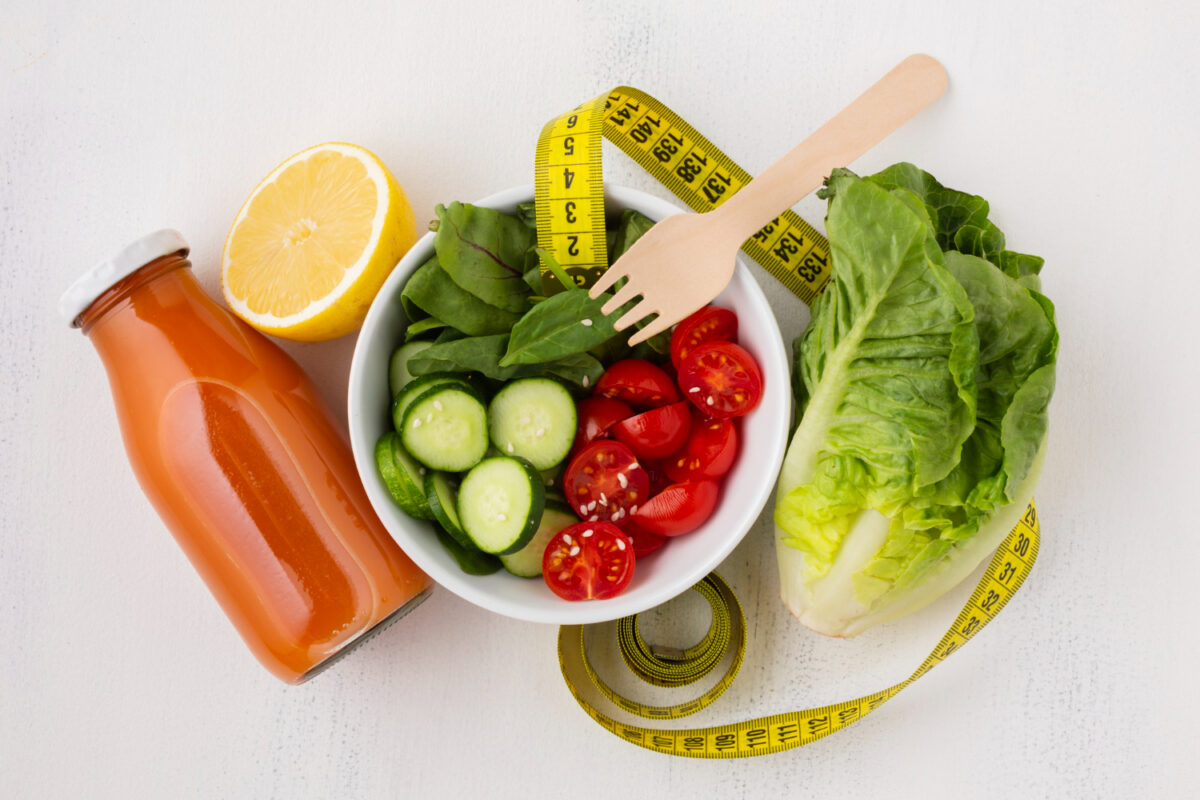
If you’ve ever Googled “how to eat healthy,” you’ve probably seen it all. One blog says to cut carbs, another says carbs are the secret to energy. One influencer swears by celery juice first thing in the morning, while another insists you need a pile of supplements before breakfast. No wonder so many people feel confused, stuck, or guilty about what they eat.

Here’s the truth. Nutrition isn’t supposed to be complicated. Your body doesn’t need fad diets, detox teas, or endless rules. It needs balanced fuel, consistency, and you need a healthy relationship with food. The problem is, myths spread faster than facts, and even smart, well-intentioned people get caught up in bad advice.

That’s why as your coach, I want to call these out for you. These are nutrition myths you need to break up with. They’re toxic, they hold you back, and they make this whole process harder than it has to be. You deserve better.
Nutrition Myths to Break Up With

1. Carbs Make You Fat

Carbs are not your enemy. They’re your body’s favorite source of energy. What actually causes fat gain is eating more calories than your body uses. Cutting carbs too low usually just leaves you cranky, tired, and struggling through workouts. Instead of avoiding carbs, choose better ones more often. Things like fruit, vegetables, oats, rice, and potatoes will fuel you.

2. You Need to Detox With Juice or Teas

This one’s a scam. Your body already has a detox system. It’s called your liver and kidneys, and they do their job every single day. Juice cleanses strip away fiber and spike your blood sugar. Detox teas are usually just laxatives that leave you dehydrated and make you feel miserable. You don’t need them. Drink water, eat real food, get enough protein and fiber, and your body will take care of the rest.

3. High Protein Diets Damage Your Kidneys

Protein has been blamed for years, but unless you already have kidney disease, there’s no reason to worry. Protein is one of the best things you can give your body. It repairs muscle, helps you stay full, and protects your muscle while you lose fat. Most people aren’t eating enough protein, not too much to damage their bodies. If anything, this is one of the areas we as trainers push our clients to increase.

4. Fat Makes You Fat

Fat has more calories per gram than carbs or protein, so yes, it’s easy to overeat if you’re not paying attention. But fat itself doesn’t make you fat. Your body actually needs it for healthy hormones, brain function, and vitamin absorption. Avocados, nuts, olive oil, salmon, even butter in moderation can all have a place in your diet. Fat isn’t something to avoid, it’s something to respect and you NEED it to feel good and stay healthy.

5. Clean Eating is the Only Way

This one is sneaky because it sounds like a good thing, but really it creates guilt and stress around food. When you tell yourself you can only eat “clean,” you usually end up feeling guilty the second you eat something fun. Then you swing back and forth between being perfect and being “off track.” That’s not healthy. The truth is you don’t need to eat perfectly to make progress. Build your diet mostly around whole foods, but enjoy pizza, ice cream, and burgers when you want them. Balance is always better than complete restriction.

Here’s the truth. These myths stick around because they either sound simple or extreme. Carbs make you fat. Detox your body with tea. Only eat clean. They’re easy to sell, but they’re not real. Breaking up with these myths means you stop stressing over the wrong things and finally start focusing on what matters. Eat mostly whole foods. Hit your protein. Include carbs and fats. Pay attention to your overall calories. And enjoy your favorite foods without guilt. This is exactly what I want for you. No fad diets. No fear. No fake rules. Just freedom and confidence in how you eat. So the next time you hear someone pushing a “secret” diet trick, remember this. If it sounds too good or too scary to be true, it probably is. Break up with the myths, fuel your body the right way, and start building a healthier relationship with food that actually lasts.

Written By: Jill Hannah
Any questions or comments about the blog? Reach out to Coach Jill!
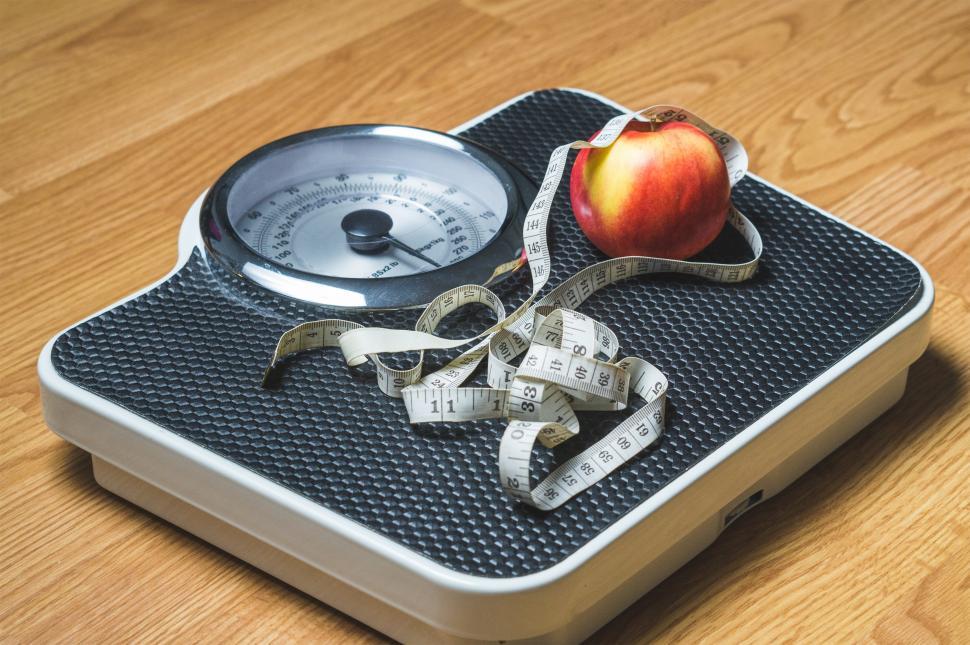
Strength Over the Scale: Why Your Performance Matters More Than Numbers on the Scale

The Scale Doesn’t Tell the Whole Story

Way too often members let the scale dictate their self-worth and progress. Even I as a coach have been guilty of this as well. You show up, put in the work, sweat, and eat well, but one tiny number on the scale can make or break your whole mood and motivation. The truth is, your strength, your energy, and your consistency matter FAR more than a number on the bathroom scale. Muscle weighs more than fat, so if you are strength training and lifting heavier, the scale might not move the way you expect and that is a good thing. More muscle means a higher metabolism, more and better long-term results, and a body that can do more than it could last year.


Focus on Performance Goals

Instead of obsessing over pounds lost or how much you have to lose, track your progress through performance. Examples such as how much weight you can lift, how many reps you can do, or how your endurance improves over time are great ways to measure your progress. These wins are far more telling of real progress than a number on a scale. Paying attention to your body’s abilities and improvements creates a mindset that prioritizes health, consistency, and long-term results.


Nutrition Supports Strength, Not Just Weight

Eating for fuel instead of restriction allows your body to perform at its best. Protein repairs and builds muscle, carbohydrates give you energy for challenging workouts, and healthy fats support hormones and recovery. When you focus on nourishing your body, your workouts improve, your energy levels increase, and your results show without obsessing over the scale.


Celebrate Non-Scale Victories

Some of the most meaningful markers of progress cannot be measured in pounds. Completing your first pull-up, doing more push-ups than last week, feeling more confident in your clothes, or finishing a workout you did not think you could are all wins that the scale will never show. These are the moments that prove your effort is paying off and that your body is getting stronger.


Confidence Over Numbers

It is also important to note that a number on the scale can look totally different depending on your body composition, hydration, and even the time of day. Two people weighing the same may look completely different because of muscle mass, posture, or where they carry their weight. Your confidence and how you feel in your own skin should not be dictated by the scale. Strength training, proper nutrition, and consistent effort are what shape not just your body, but your confidence too.


Shift Your Mindset Today

The next time you step on the scale, remember that it is just one tool and not the final measure of your progress. Strength, endurance, energy, and confidence are what truly matter. Track your performance, pay attention to how your clothes feel, and honor the effort you put in. By focusing on strength over numbers, you will see results in ways that truly matter and feel better in your body every day.

Written By: Jill Hannah
Any questions or comments about the blog? Reach out to Coach Jill!
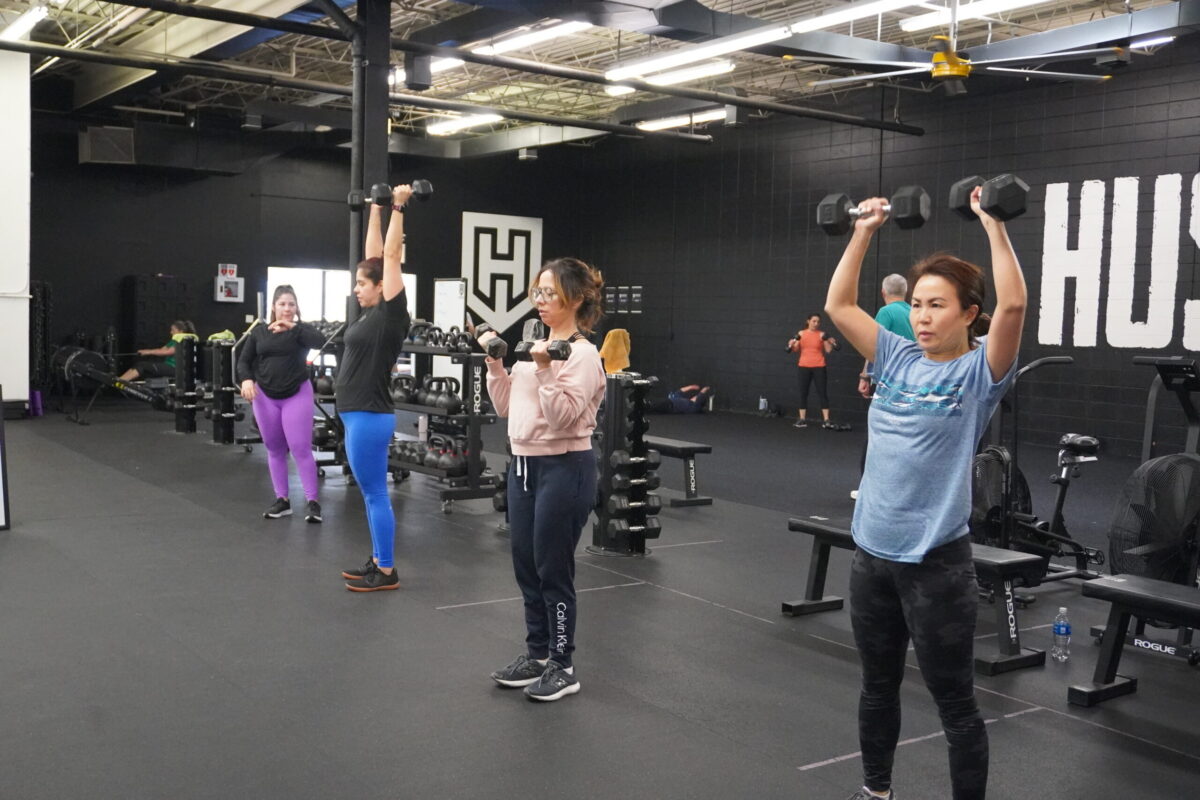
Strength Beyond the Barbell

When you think about strength training, it’s easy to picture the squat rack, barbells stacked with plates, or the clank of dumbbells hitting the floor. But strength is about way more than just gym equipment. It’s about building a body and a mindset that carries over into literally every part of your life.

Everyday Wins You Don’t Always Notice

One of the coolest things about strength training is how it sneaks into your daily routine. Science backs this up too. Research shows resistance training improves the same movement patterns you use every day; squatting, hinging, pressing, pulling.

Think about it:


• Carrying all the groceries in one trip (hello, farmer’s carry).
• Throwing your suitcase in the overhead bin without struggling (hello, shoulder press).
• Playing with your kids, nieces, or nephews without your back screaming at you.
• Standing taller with better posture because your core and back muscles are strong.

These are the little “everyday PRs” that don’t get written down or shouted out, but they matter just as much as a big lift, if not more.

The Science of Strength

Strength training isn’t just making your muscles bigger. It’s literally changing your whole system. Studies show that it boosts bone density, which keeps your bones strong as you age. It builds up the muscles around your joints, keeping them healthy and protecting them from injuries. It speeds up your metabolism since muscle burns more energy even when you’re just chilling. And it’s even linked to better brain health, improved memory, sharper thinking, and a lower risk of issues like dementia down the road.

Pretty wild to think that lifting weights today could literally make your brain healthier 10, 20, 30 years from now.

Training for Your Future Self

The weights you pick up today are a gift to your future self. You’re building balance and coordination that help prevent falls. You’re keeping your independence so you can move, carry, and live life fully without relying on anyone else. And you’re building a strong foundation for longevity because strength is one of the best predictors of quality of life as someone ages.

So the next time you walk into the gym, remember that strength goes way beyond the barbell. You’re not just lifting weights. You’re training for life. You’re building a body that can handle the hard stuff, a mind that won’t quit, and a future that’s strong and resilient.

Written By: Jill Hannah

Any questions or comments about the blog? Reach out to Coach Jill!

Weekday Hustler or Weekend Slacker? The Power of Consistency

Anyone can grind hard Monday through Friday, hit the gym, stick to the plan, eat clean. But then Saturday hits & Sunday rolls around, and all that effort can start slipping away. That’s the trap of the weekday hustler who slacks on the weekends, especially with nutrition. After tracking and sticking to the plan all week, it’s tempting to “treat” yourself into a weekend free-for-all.

The people who truly transform their strength, mindset, and lifestyle are the ones who show up all the time, weekday or weekend, in the gym and at the table. They understand that real results aren’t just built during the workweek; they’re built when consistency meets balance.

Being consistent five days a week is great, but letting weekends derail your progress can slow results, affect recovery, and even impact mindset. Let me be clear here, there is nothing wrong with treating yourself to a nice dinner or a treat on the weekend. But, don’t use this as an excuse to go in the entire opposite direction either, it’s all about balance and planning. True daily hustlers find a way to maintain effort even when life gets busy or tempting distractions appear. Small choices, like sticking to your nutrition plan, planning for a large dinner, or swapping in healthier versions of favorites, keep momentum alive without feeling restrictive.

So here’s the challenge for you this week: plan for your weekends like you do your weekdays. Show up with movement, eat with intention, and don’t let a few days undo the hard work you’ve already put in.

That’s how you win.

Here’s a few points I want you to take away from this blog.

  1. Consistency Matters Every Day. Progress is cumulative. Weekend slips in workouts or nutrition can offset weekday gains and slow results.

  2. Plan for Weekend Nutrition. Treating yourself doesn’t have to mean throwing away your progress. Simple swaps, portion awareness, and prep can keep weekends in check without feeling like a restriction.

  3. Adapt Your Workouts. You don’t need perfect workouts on the weekend. Even a 20–30 minute session, a walk, or mobility work keeps you moving and reinforces your habits.

  4. Mental Resilience Through Routine. Staying consistent with both training and nutrition strengthens discipline, self-trust, and confidence in your ability to follow through.

  5. Progress Over Perfection. It’s not about being perfect all week. It’s about building momentum and minimizing the gaps that slow long-term results.


Here’s some research I thought I would share as well:

  • Impact of Weekend Slacking. Studies show that inconsistent exercise and nutrition patterns on weekends can reduce the effectiveness of weekday efforts and slow fitness and body composition progress.

  • Habit Formation and Routine. Establishing consistent habits with both movement and nutrition, even lighter activity or mindful eating on weekends, supports habit formation and long-term adherence.

  • Consistency and Long-Term Results. Research highlights that sticking to a balanced routine, including exercise and mindful nutrition, leads to better health outcomes, improved recovery, and lasting results.


Consistency isn’t just a weekday habit. It’s a lifestyle. Own your weekends, protect your momentum in the gym and at the table, and the results you’re hustling for will follow!

Written By: Jill Hannah

Any questions or comments about the blog? Reach out to Coach Jill!

Your Morning Routine for a Strong Start

Hey Hustlers! How you start your morning can really set the tone for the rest of your day. Trust me, I’ve seen it in the gym, in our Hustle sessions, and in my own life. Science even backs it up. People who have intentional morning routines tend to be more focused, energized, and productive. The little things you do first really do add up.

Start With Intention

First things first, SKIP the snooze button!! Hitting snooze trains your brain for delay, not action to start your day. Next, take a moment to think about one thing you want to achieve today. It might be pushing a little harder in your workout, completing a tough task, or showing up fully for someone you care about. You can write it down, say it aloud, or just hold it in your mind, whatever works best for you. This simple habit trains your brain to follow through and gives your day a sense of purpose before it even begins.

Move Your Body

Even just five minutes counts. If you’re not a morning workout person, a few stretches, squats, or push-ups to get your blood flowing and wake up your brain is one of the best things you can do.. Moving in the morning helps release those feel-good endorphins and dopamine so you start your day alert, energized, and ready to take on whatever comes your way. Remember, this is not about perfection; it is about showing up for yourself.

Fuel Your Mind

Take a few minutes to reflect or visualize your day. Celebrate one win from yesterday, no matter how small, and think about the top two to three things you want to accomplish today. This little practice trains your brain to focus on progress rather than perfection. You can pair this with a high-protein breakfast such as eggs, Greek yogurt, or your weekly Hustle Bite, and you are fueling both your body and your mind for success.

High-Protein Breakfast

Breakfast is your first fuel of the day and can make a huge difference in your energy, focus, and mood. I always recommend starting with a high-protein option because it helps stabilize blood sugar, keeps you full, and gives your body the nutrients it needs to recover and perform. Some of my favorite quick options include:

  • Eggs of any style: scrambled, boiled, or in a veggie omelet.
  • Greek yogurt with fruit: add a handful of berries or a sprinkle of granola for crunch.
  • Cottage cheese bowls: topped with fruit or a drizzle of honey.
  • Protein smoothies: blend Greek yogurt, milk, and fruit for a quick on-the-go option.

Pair your mental prep with one of these breakfasts, and you are fueling both your body and your mind for success

Affirm and Attack

Say your intention out loud, even if it is just to yourself. Reinforce that confidence and quiet the negative self-talk that can slow you down. Research shows that self-affirmation boosts your ability to handle stress and helps you perform at your best. Start your morning feeling intentional, and that momentum will carry through everything you do.

The Takeaway

Your morning routine does not need to be long or complicated. It just needs to be consistent and purposeful. Even ten to twenty minutes can give you the mental edge, energy, and focus you need to crush your day. Show up for yourself first thing in the morning. You deserve it, and the rest of your day will feel that much stronger because of it.

Written By: Jill Hannah

Any questions or comments about the blog? Reach out to Coach Jill!

Choose your Location