When Life Gets Busy Use The Minimum Standard Strategy

Why Busy Weeks Matter Most

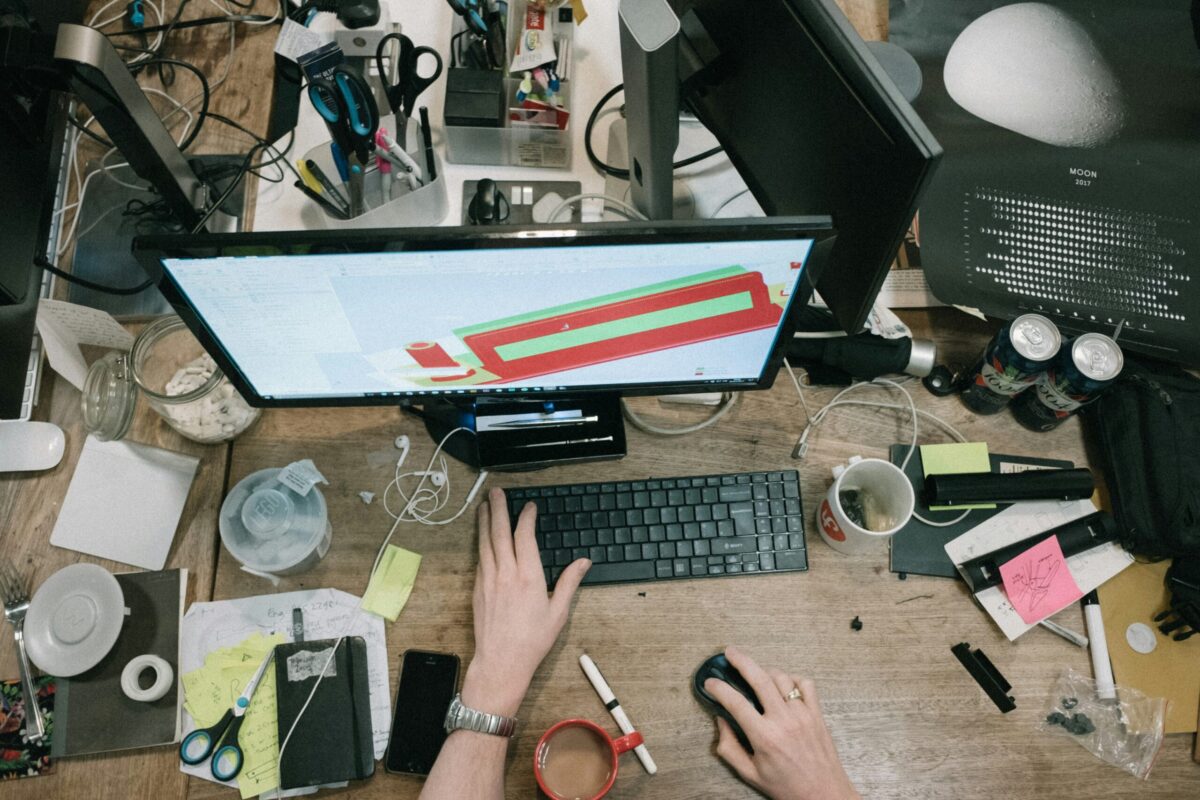
Life gets loud and busy. Work piles up, schedules shift, and suddenly you’re running on caffeine, little sleep, and chaos. When that happens, most people let their routines slip. They fall into one of two traps: telling themselves they’ll “get back on track when things slow down,” or believing that if they can’t do everything perfectly, they shouldn’t do anything at all. But progress doesn’t come from perfect weeks. It comes from the weeks where you refuse to check out.

Minimum standards are your bare-minimum habits that still keep you moving forward. They aren’t perfect meals or full workouts or highly structured routines. They’re the simple, realistic non-negotiables that help you stay in motion, because staying in motion, even slowly, always beats stopping everything. These standards will allow you to stay connected to your goals without demanding perfection during the busiest phases of your life.

Your Movement Minimums

Most people fall apart during chaotic weeks because they think success requires doing the most. High performers know better. They don’t quit when life interrupts. They adjust. They shift gears instead of shutting down. Minimum standards give you flexible structure so you can keep going even when things feel unpredictable. It’s not about crushing a perfect plan, it’s about protecting momentum.

Your movement minimum should support your body and mind without overwhelming you. This could look like 20 to 30 minutes of activity three times a week, performing one main lift per workout such as a squat, hinge, push, or pull, or taking a 10 minute walk each day. These small actions keep you grounded and maintain your rhythm, even on weeks when your schedule is tight.

Nutrition Minimums

Busy seasons aren’t the time for complicated nutrition plans. Simplicity is your strongest tool here. A nutrition minimum might be eating protein at every meal, finishing a water bottle before 10 a.m., getting in one nutrient dense meal each day, or simply refusing to skip meals when life gets hectic. These habits keep your energy up, your hunger stable, and your decisions intentional.

Mindset Minimums

Mindset minimums help you stay centered when stress is high. This could be two to three minutes of deep breathing in the morning, writing a nightly list of wins, or pausing once a day to ask yourself how you’re feeling and what you need. These tiny check-ins help you stay present and prevent the mental spiral that often comes with busy seasons.

The Power of Staying Connected

Minimum standards keep you anchored to your identity, even when your schedule is messy. Instead of restarting every Monday or losing confidence when life gets chaotic, you stay rooted in the version of yourself who shows up no matter what. That consistency, even on imperfect days, is what builds long term transformation.

Write down your movement, nutrition, and mindset minimums. Keep them simple, doable, and honest. When your next busy week hits, lean into these minimums and let them keep you grounded. You’ll be surprised at how consistent you can stay when you stop aiming for perfection and start aiming for progress.

Written By: Jill Hannah

Any questions or comments about the blog? Reach out to Coach Jill!

Fuel the Hustle: What to Eat Before andAfter Your Workouts

You’ve heard it before; you can’t out-train a poor diet. But here’s the truth; it’s not just what you eat that matters, it’s when and why. At Hustle, we focus on building stronger, more resilient bodies; and that means understanding how to fuel them for performance and recovery. Whether you’re hitting a 5 A.M. class or training after work, what you eat before and after your workout directly impacts how you feel, perform, and recover. This is something I overlooked for a long time, don’t make this same mistake!

Pre-Workout Fuel: Build Energy Before You Even Step on the Floor

Your pre-workout meal or snack is your foundation. It gives your body the energy to move well, lift strong, and stay focused from start to finish. Without enough fuel, your body works harder for less output; you’re burning energy you don’t have, not building strength from what you do. Think of it like putting gas in your tank before a drive. You wouldn’t take a road trip on empty; don’t try to train that way either.

What to Eat Before a Workout

The goal; carbs for energy + protein for muscle support.

Examples for if you have 1–2 hours before training:

● Greek yogurt with berries and granola

● Egg sandwich on an English muffin

● Oatmeal with banana and protein powder

● Chicken and rice bowl or wrap

If you have 30–45 minutes before:

● Half a banana with peanut butter

● Protein bar or small shake

● Rice cakes with almond butter

● Greek yogurt and fruit

Fuel before caffeine.

A small bite before your pre-workout coffee helps stabilize blood sugar and avoid that mid-morning crash. A few bites of protein or carbs before caffeine makes your energy more consistent and sustainable.

Carbs are your body’s preferred fuel source. When you eat them before a workout, you give your muscles the quick-access energy they need to perform. Protein helps protect and repair muscle tissue. In short; pre-fueling helps you show up ready to perform, not just get through it.

Post-Workout Fuel: Refuel, Recover, and Rebuild

What you eat after training determines how well your body bounces back. Skipping this step or waiting too long can leave you sore, tired, and plateaued over time. After your workout, your muscles have used up glycogen and need protein and nutrients to repair.

What to Eat After a Workout

The goal; protein for muscle repair + carbs for replenishment.

Within 30–90 minutes after training:

● Protein shake with fruit or oats

● Scrambled eggs with toast and avocado

● Chicken, rice, and veggies

● Turkey wrap with fruit

● Greek yogurt with honey and granola

Rehydrate with water or electrolytes, especially if you trained early or sweat heavily.

Why Post-Fueling Matters

Eating protein and carbs within about two hours of training boosts recovery, supports

strength gains, and restores energy faster. It also helps you feel better; less fatigue, fewer crashes, and better performance next time. When you consistently refuel, you’re signaling your body to grow stronger. That’s how progress happens.

Build the Habit, Not the Excuse

Fueling doesn’t have to be perfect; it just has to be intentional. If mornings are busy, prep something simple the night before. If you train after work, keep a snack at your desk and plan dinner ahead. The athletes and members who see the best results aren’t just training hard; they’re recovering smart. So the next time you grab your keys for Hustle, ask yourself; have I fueled myself to perform, or am I running on empty? Your body deserves the same effort outside the gym that you give it inside. When you fuel like an athlete, you recover like one too.

Written By: Jill Hannah

Any questions or comments about the blog? Reach out to Coach Jill!
Be Thankful for the Grind


Gratitude Meets Grit

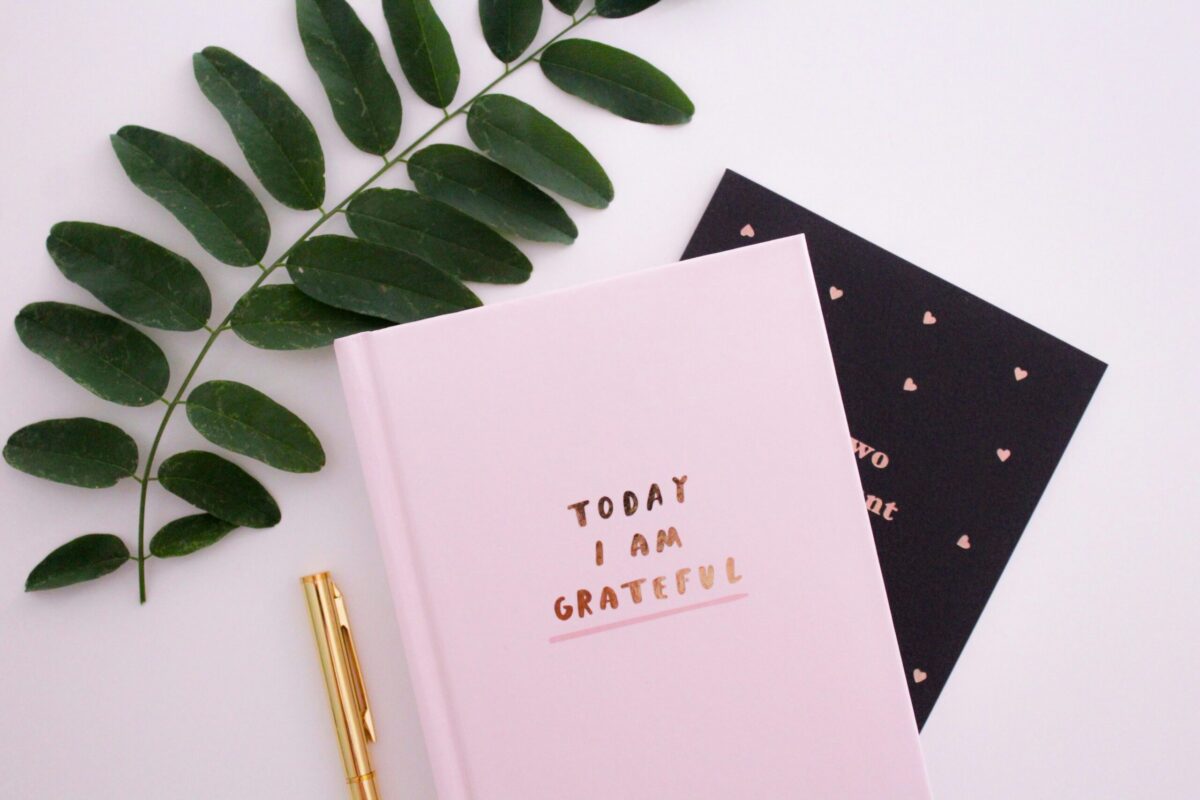
Gratitude isn’t just for the good moments. It’s for the early alarms, the sore muscles, and the grind that tests your limits and builds strength from the inside out. The truth is, the grind itself is something to be thankful for because it’s where growth, confidence, and resilience are built. Every tough session, every challenging week, and every time you show up when you don’t feel like it, you’re shaping a stronger version of yourself. Research backs this up over and over again. A study from the Journal of Applied Sport Psychology found that those who practiced gratitude developed greater mental resilience and higher satisfaction with their performance. Similarly, Stanford University research on what’s known as the “effort effect” shows that when people view effort as something to be proud of rather than a burden, their motivation and long-term success increase significantly. Psychologists also refer to a concept called “benefit finding,” which means recognizing the value in challenges and setbacks. When you can see purpose in the grind, you’re more likely to stay committed and come out stronger on the other side.

Reframing the Grind

Instead of saying “I have to,” try saying “I get to.” You get to train. You are in a healthy body that gets to wake up everyday and go to the gym. You get to chase goals. You get to push your limits in a space that supports your growth. That small mindset shift from obligation to opportunity changes everything. Gratitude will fuel your grit. It reminds you that even when it’s uncomfortable, every rep, every choice, and every effort is leading you toward
progress. You don’t have to love every challenge, but you can love who you are becoming because of them.

Challenge Yourself

This week, I want to challenge you to find three moments to be thankful for the grind. Be thankful when you show up even when it’s hard. Be thankful when you push for one more rep or one more round. Be thankful when you realize that the person you’re becoming isn’t afraid of work, but inspired by it. The grind isn’t punishment. I cannot preach this enough; it is a privilege.

Final Thought

Every ounce of effort you pour into training, nutrition, and showing up for yourself adds up. Be thankful for the process, for the people beside you, and for the strength that’s being built day by day. The grind is what makes you stronger, more confident, and more capable in every part of your life. Be thankful, use gratitude, and watch the grind change your life.

Written By: Jill Hannah

Any questions or comments about the blog? Reach out to Coach Jill!

Choose your Location